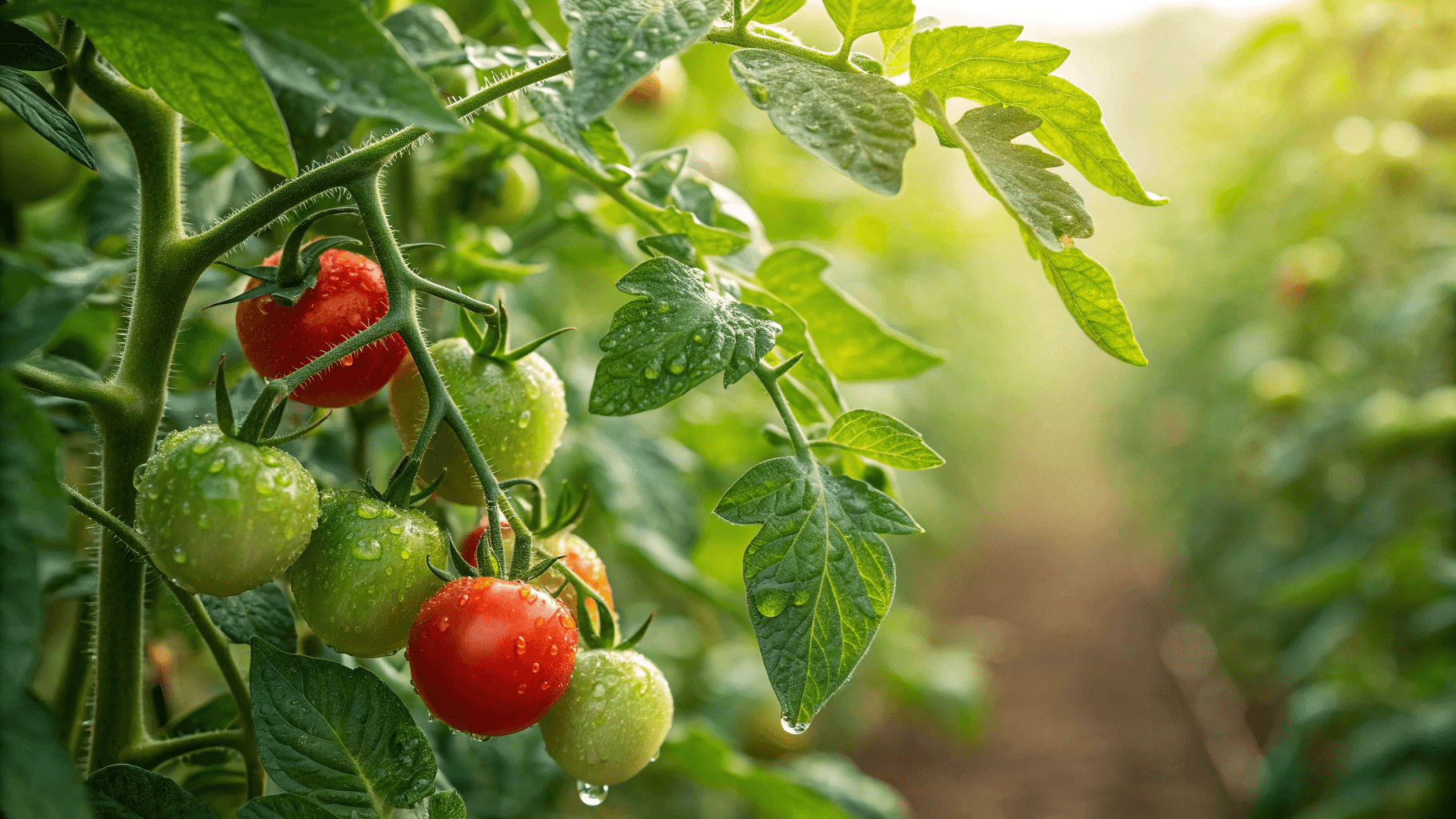
Master Garden Tomato Planting: Your Guide to a Bountiful Harvest
There's an unparalleled joy in plucking a sun-warmed, perfectly ripe tomato from your own backyard. Whether sliced into a salad, simmered into a sauce, or enjoyed simply with a sprinkle of salt, the flavor of a home-grown tomato far surpasses anything from the store. But achieving that juicy, flavorful harvest takes a bit of planning and know-how. This comprehensive guide will walk you through every essential step of garden tomato planting, transforming your efforts into an abundant yield of these beloved fruits.
From selecting the ideal variety to preparing the perfect soil and providing ongoing care, we'll cover the foundational practices that lead to success. Tomatoes are truly versatile and rewarding plants, but they thrive best when their specific needs for sun, soil, and support are met. By following these proven tips, you'll be well on your way to enjoying a season full of delicious, homegrown goodness.
Choosing Your Champions: Selecting the Perfect Tomato Variety
The first crucial step in successful garden tomato planting begins long before you break ground: choosing the right tomato variety for your specific needs and growing conditions. This decision influences everything from the amount of space you'll need to when you'll enjoy your harvest.
Seeds vs. Seedlings: Starting Your Tomato Journey
- Starting from Seed: For the adventurous gardener, beginning with seeds offers an incredible array of varieties not typically found in garden centers. You gain control over the entire growth process, ensuring strong, healthy plants from the start. However, it requires an early start – typically 6-8 weeks before your last expected frost date – indoors, in a warm, bright environment. Consistent care, including proper light, temperature, and moisture, is vital during this delicate stage.
- Purchasing Seedlings: If time or space is a constraint, buying sturdy seedlings from a reputable garden center is an excellent option. This skips the vulnerable early growth phase, saving you considerable effort. Look for healthy, compact plants with good color and no signs of disease or pests. Remember, whether you start from seed or buy seedlings, it's essential to harden them off before planting outdoors. This involves gradually introducing them to outdoor conditions (sun, wind, cooler temperatures) over about a week, preventing transplant shock.
For a deeper dive into making this crucial decision, explore our detailed article: Seeds or Seedlings? Picking the Perfect Tomato for Your Garden.
Determinate vs. Indeterminate: Understanding Growth Habits
Tomato varieties fall into two main categories based on their growth habit:
- Determinate Tomatoes: Often called "bush" tomatoes, these varieties grow to a certain height, produce their fruit all at once over a shorter period (usually 2-3 weeks), and then stop growing. They require minimal staking or caging and are ideal for container gardening, smaller spaces, or gardeners who want a concentrated harvest for canning or sauce-making.
- Indeterminate Tomatoes: These are the "vining" tomatoes that continue to grow, flower, and produce fruit throughout the entire growing season until the first frost. They can reach impressive heights (often 6-10 feet or more) and require robust support like tall stakes, cages, or trellises. Indeterminate varieties typically offer a continuous supply of fresh tomatoes, making them perfect for daily harvesting and extended enjoyment.
Consider your garden size, how much maintenance you're willing to commit to, and your desired harvest pattern when making this choice.
Exploring Tomato Varieties: Heirloom, Cherry, and Red Classics
- Heirloom Tomatoes: These open-pollinated varieties are celebrated for their exceptional, complex flavors and often unique, "funky" shapes and vibrant colors. While they can sometimes be more susceptible to diseases and a bit fussier to grow than modern hybrids, the unparalleled taste is often worth the extra effort for many gardeners.
- Cherry Tomatoes: Small, sweet, and bursting with flavor, cherry tomatoes are incredibly productive and perfect for snacking, salads, or adding a pop of color to dishes. They come in both determinate and indeterminate forms and are generally very forgiving, making them a great choice for beginners.
- Red Tomatoes: The classic, go-to tomato for most culinary uses. This category encompasses a vast range of varieties, from early-ripening types to large beefsteaks ideal for slicing, and paste tomatoes perfect for sauces. Their versatility and familiar flavor make them a staple in almost every garden tomato planting plan.
- Paste Tomatoes: Varieties like Roma or San Marzano are specifically bred for their thick, meaty flesh and low water content, making them perfect for sauces, purees, and canning. They often have an elongated shape.
Mastering Site Selection and Soil Preparation for Optimal Growth
The success of your garden tomato planting hinges significantly on where you plant them and the quality of the soil you provide. Tomatoes are not subtle about their preferences; meet their needs, and they will reward you lavishly.
Finding the Ideal Growing Area
1. Sunshine, Sunshine, Sunshine: Tomatoes are true sun worshippers. They need a minimum of 6-8 hours of direct sunlight per day to photosynthesize efficiently and produce abundant, flavorful fruit. Less sun will result in leggy plants, fewer flowers, and smaller, less flavorful tomatoes. Observe your garden throughout the day to identify the sunniest spots.
2. Excellent Drainage: Soggy roots are a death sentence for tomato plants. Choose a site where water drains freely and doesn't pool. If your soil is heavy clay, consider planting in raised beds or amending significantly to improve drainage.
3. Good Airflow: Proper air circulation around your plants is crucial for preventing fungal diseases, which thrive in humid, stagnant conditions. Avoid planting tomatoes too close to fences, dense shrubbery, or in low-lying areas where air gets trapped. Spacing plants appropriately also contributes to good airflow.
4. Avoid Solanaceae Companions: To minimize the spread of diseases, avoid planting tomatoes in areas where other solanaceous crops (like potatoes, peppers, or eggplants) were grown in the previous year or two. Crop rotation is an excellent practice for overall garden health.
Preparing Your Soil for Success
Tomatoes are heavy feeders and thrive in nutrient-rich, well-amended soil. Your goal is to create a living, breathing environment that supports robust root development and provides a steady supply of nutrients.
- Soil Testing: If you're serious about maximizing your harvest, consider a soil test. This will tell you your soil's current nutrient levels and pH. Tomatoes prefer a slightly acidic to neutral pH, generally between 6.0 and 6.8.
- Enrich with Organic Matter: This is arguably the most critical step. Incorporate a generous amount of well-rotted compost, aged manure, or other organic matter into your planting site. Organic matter improves soil structure, enhances drainage in clay soils, increases water retention in sandy soils, and provides a slow-release source of essential nutrients. Aim to mix it into the top 12-18 inches of soil.
- Balanced Fertilization: If your soil test indicates deficiencies, or if you're planting in a new area, incorporate a balanced organic fertilizer into the soil during preparation. Look for an N-P-K ratio that emphasizes phosphorus and potassium for root and fruit development, rather than excessive nitrogen which promotes leafy growth at the expense of fruit.
For comprehensive guidance on setting up your planting area, refer to our article: Unlock Juicy Tomatoes: Site Selection & Soil Prep Essentials.
The Art of Planting Tomatoes: Getting Them in the Ground Right
Once you've chosen your varieties and prepared your site, it's time for the exciting part: putting your tomato plants in their new home. Proper planting techniques can significantly impact their early growth and overall productivity.
Timing is Everything
Do not rush planting. Tomatoes are sensitive to cold and will suffer if planted too early. Wait until all danger of frost has passed and the soil temperature has warmed to at least 60°F (15°C). You can test this with a soil thermometer. Often, a good rule of thumb is to plant about two weeks after your region's average last frost date.
Deep Planting for Stronger Roots
Tomatoes are unique in their ability to grow roots from their stems. This characteristic allows for deep planting, which anchors the plant more securely and develops a stronger, more extensive root system. This is especially beneficial for indeterminate varieties.
- For Seedlings: Remove the bottom leaves from the stem, leaving only the top 2-3 sets of leaves. Dig a hole deep enough so that you can bury about two-thirds of the stem. Alternatively, dig a trench and lay the plant horizontally, gently bending the top upwards, ensuring the bottom two-thirds of the stem are covered.
- For Root-Bound Plants: Gently tease apart any circling roots at the bottom of the root ball before planting.
Spacing for Success
Proper spacing is critical for good air circulation, light penetration, and to prevent competition for nutrients and water. While specific spacing depends on the variety (determinate vs. indeterminate) and support system, a general guideline is:
- Determinate Varieties: 2-3 feet apart.
- Indeterminate Varieties: 3-4 feet apart.
Also, ensure rows are spaced 3-5 feet apart to allow for easy access and air movement.
Providing Immediate Support
For most tomato varieties, especially indeterminate types, providing support at the time of planting is highly recommended. Installing stakes, cages, or trellises when the plants are small prevents root disturbance later on and ensures your plants grow upright, keeping fruit off the ground and reducing disease risk.
Initial Watering
After planting, water your tomatoes thoroughly to settle the soil around the roots. This helps eliminate air pockets and ensures the roots have immediate access to moisture.
Initial Care and Common Pitfalls: Nurturing Your Tomatoes
Once planted, your tomatoes will require consistent attention to flourish. Good initial care sets the stage for a healthy, productive season.
Consistent Watering
Tomatoes need consistent moisture, especially during flowering and fruiting. Aim for deep, infrequent watering rather than shallow, frequent sprinkles. About 1-2 inches of water per week, either from rain or irrigation, is a good target. Water at the base of the plant to avoid wetting the foliage, which can encourage fungal diseases. Drip irrigation or soaker hoses are excellent tools for this.
Mulching for Moisture and Weed Control
Apply a 2-4 inch layer of organic mulch (such as straw, shredded leaves, or wood chips) around your tomato plants. Mulch helps retain soil moisture, suppress weeds, and regulate soil temperature. Keep the mulch a few inches away from the plant stem to prevent rot.
Fertilizing Thoughtfully
If you amended your soil well, your plants might not need immediate fertilization. However, once flowers start to appear, you can begin feeding with a fertilizer balanced for fruiting plants (lower nitrogen, higher phosphorus and potassium) every 2-4 weeks, depending on the product and your soil's fertility. Over-fertilizing with nitrogen will lead to lush foliage but poor fruit production.
Pest and Disease Vigilance
Regularly inspect your plants for signs of pests (like hornworms or aphids) or diseases. Early detection makes control much easier. Good cultural practices, like proper spacing, watering, and crop rotation, are your best defenses against many common problems.
Pruning for Indeterminate Varieties
For indeterminate tomatoes, you may choose to prune "suckers" – the small shoots that emerge in the crotch between the main stem and a leaf branch. Pruning suckers directs the plant's energy into fruit production on the main stem and improves airflow, though it's not strictly necessary and can reduce overall yield slightly. Determinate varieties generally require little to no pruning.
Reap What You Sow: Enjoying Your Bountiful Harvest
Successful garden tomato planting is a rewarding journey, culminating in the unparalleled taste of sun-ripened tomatoes fresh from your garden. By carefully selecting varieties, meticulously preparing your soil, employing thoughtful planting techniques, and providing consistent care, you create the optimal environment for your tomato plants to thrive. Embrace the process, learn from each season, and soon you'll be enjoying an abundant harvest that brings flavor and satisfaction to your table. Happy gardening!
