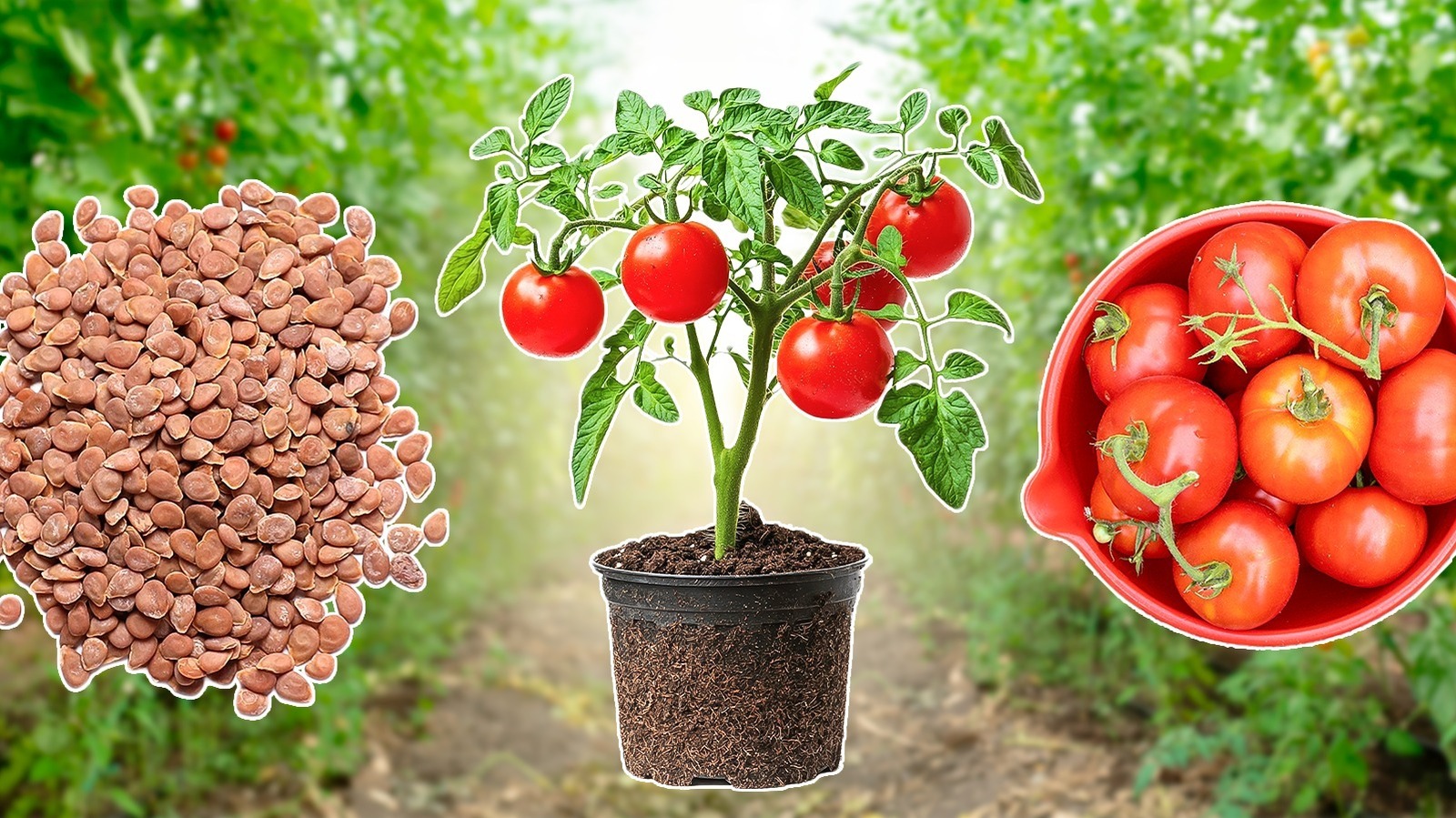
Laying the Groundwork for Luscious Tomatoes: An Introduction
There's an undeniable satisfaction that comes with plucking a ripe, sun-warmed tomato from your own backyard. The vibrant color, the intoxicating aroma, and the unmatched flavor make homegrown tomatoes a staple for many garden tomato planting enthusiasts. While the journey from seed to fruit might seem daunting at first, success hinges on two fundamental pillars: strategic site selection and meticulous soil preparation. These initial steps are not just recommendations; they are critical foundations that dictate the health, productivity, and ultimate flavor of your harvest.
Before you even think about putting a shovel in the ground, understanding your chosen tomato variety and ensuring its optimal environment will save you countless headaches and lead to a more bountiful yield. A healthy start means robust plants capable of resisting disease and producing an abundance of those juicy, flavorful fruits we all crave.
Choosing Your Champion: How Tomato Variety Impacts Site & Soil Needs
The first strategic decision in your garden tomato planting journey involves selecting the right tomato variety. This choice isn't just about taste preferences; it profoundly influences the space, support, and even the subtle soil requirements your plants will demand.
Seeds or Seedlings: Your Path to a Ripe Harvest
Your starting material largely depends on your gardening experience, climate, and how much of a head start you desire. Opting for seeds offers an unparalleled selection of varieties, including many unique heirlooms you might not find as seedlings. However, seeds require an indoor start, typically 6-8 weeks before your last anticipated frost. They thrive in warm, bright conditions and demand consistent care during their vulnerable seedling stage. This approach grants you maximum control and variety, but demands time and attention.
Conversely, purchasing sturdy seedlings from a local nursery or garden center is a fantastic time-saver, bypassing the early-stage challenges of germination and initial growth. This is often the preferred route for beginners or those with limited indoor growing space. Regardless of your choice, remember the critical step of hardening off seedlings before transplanting them outdoors. This gradual introduction to outdoor conditions (sun, wind, cooler temperatures) over about a week helps prevent transplant shock and ensures a smoother transition to your prepared garden bed. For more detailed insights on this crucial decision, explore Seeds or Seedlings? Picking the Perfect Tomato for Your Garden.
Decoding Determinate vs. Indeterminate Growth Habits
Beyond the choice of starting material, understanding a tomato plant's growth habit is paramount for successful site planning:
- Determinate Tomatoes: The Bushy Producers
These varieties are often described as "bush" tomatoes. They grow to a predetermined height, flower, and produce the majority of their fruit within a relatively short, concentrated period. Their compact nature means they require less robust staking or caging and are ideal for container gardening, smaller spaces, or gardeners who want a single, large harvest for canning or sauce-making. They generally need less intensive pruning, simplifying maintenance. - Indeterminate Tomatoes: The Vining Virtuosos
Indeterminate tomatoes are true climbers. They continue to grow, flower, and set fruit throughout the entire growing season until frost arrives. This continuous production translates to a larger overall yield, but it comes with a trade-off: they demand substantial support (tall cages, strong trellises, or extensive staking) and significantly more vertical and horizontal space. Their vigorous growth also often necessitates more frequent pruning to manage their size and direct energy into fruit production.
Consider your garden size, how much time you're willing to dedicate to maintenance, and your desired harvest timing when making this choice. A compact determinate variety, for example, might thrive in a sunny corner where an indeterminate would quickly outgrow its bounds and flop over without adequate support.
The Perfect Perch: Mastering Tomato Site Selection
Choosing the right location for your garden tomato planting is arguably the most critical decision you'll make. Tomatoes are sun-loving plants with specific environmental needs, and compromising on these will inevitably lead to disappointing results.
Sunshine, Glorious Sunshine!
Tomatoes are sun worshippers. They absolutely crave direct sunlight and require a minimum of 6-8 hours of direct sun exposure every single day to produce fruit effectively. Without adequate sunlight, plants will become leggy and weak, struggling to photosynthesize efficiently, resulting in poor flower set and meager fruit production. The fruits that do develop might be smaller, less flavorful, and ripen slowly. Before you plant, observe your garden throughout the day to identify the spots that receive consistent, unobstructed sunlight.
Drainage and Airflow: Your Tomatoes' Best Friends
Beyond sunlight, two other environmental factors are non-negotiable for healthy tomato plants:
- Well-Drained Soil: Tomatoes detest "wet feet." Soil that remains soggy for extended periods can lead to root rot, a fungal disease that quickly kills plants by suffocating their root systems. Good drainage ensures that roots receive essential oxygen and prevents waterlogged conditions. To test your garden's drainage, dig a hole about 12 inches deep and fill it with water. If the water drains within a few hours, your drainage is likely adequate. If it sits for half a day or more, you'll need to amend your soil to improve percolation.
- Good Airflow: Proper air circulation around your tomato plants is vital for preventing common fungal diseases like early or late blight. Stagnant, humid conditions create a perfect breeding ground for these pathogens. Avoid planting tomatoes in overly sheltered areas with poor air movement, such as against a solid fence that blocks breezes on all sides. Proper spacing between plants also contributes significantly to good airflow, especially for dense indeterminate varieties.
Additionally, it's wise to avoid planting tomatoes immediately adjacent to other nightshade family members, particularly potatoes. These plants can share similar pests and diseases, increasing the risk of infection for your prized tomatoes.
Cultivating Success: Essential Soil Preparation for Tomatoes
Once you've identified the ideal sun-drenched, well-drained spot, the next step in successful garden tomato planting is to prepare the soil. Healthy soil is the bedrock of healthy plants, providing the necessary nutrients, structure, and microbial activity for vigorous growth and abundant fruiting.
The Foundation: Loamy, Nutrient-Rich Soil
The ideal soil for tomatoes is a rich, loose, well-drained loam. This type of soil feels crumbly in your hand, allows water to permeate easily, but also retains enough moisture to keep roots hydrated. It's teeming with organic matter, which provides a steady supply of nutrients and supports a vibrant ecosystem of beneficial microorganisms. If your soil is heavy clay, it will likely be compacted and drain poorly. If it's sandy, it may drain too quickly and struggle to hold nutrients.
Testing Your Soil for Optimal Health
Before you amend, it’s best to know what you’re working with. A simple soil test (available through your local extension office or garden center) will provide invaluable information about your soil's pH and nutrient levels. Tomatoes prefer a slightly acidic to neutral pH, ideally between 6.0 and 6.8. The test results will guide your amendment strategy, ensuring you add exactly what your soil needs, avoiding over-fertilization or incorrect pH adjustments.
Enriching Your Garden Bed: Organic Amendments
Regardless of your current soil type, incorporating generous amounts of organic matter is almost always beneficial. This practice improves soil structure, enhances drainage in heavy soils, boosts water retention in sandy soils, and provides a slow-release source of essential nutrients. Aim to work amendments into the top 12-18 inches of soil, which is the zone where most tomato roots will grow. Key organic amendments include:
- Compost: This is a gardener's best friend. Well-rotted compost enriches the soil, improves its texture, and introduces beneficial microbes. Work in a 2-4 inch layer annually.
- Aged Manure: An excellent source of nitrogen and trace minerals. Ensure it is well-aged (composted for at least six months) to prevent burning plants and introducing weed seeds. Fresh manure can be too strong and potentially harmful.
- Peat Moss: While not a primary nutrient source, peat moss is excellent for improving water retention in sandy soils and aeration in clay soils. Use it sparingly and consider sustainable alternatives where possible.
- Cover Crops (Green Manure): Planting legumes or grains in the off-season and tilling them into the soil before planting can significantly improve soil fertility and structure.
For gardeners facing extremely poor native soil or limited space, constructing raised beds or utilizing large containers can be an excellent alternative. These options allow for complete control over the soil mix, ensuring optimal drainage and nutrient content from day one. Fill raised beds or containers with a high-quality potting mix blended with ample compost for the best results.
Final Preparations and Planting Insights
With your site meticulously selected and your soil expertly prepared, you've set the stage for an extraordinary garden tomato planting season. Remember that the success of your tomato patch hinges on these foundational steps, not just the act of planting itself. By considering your chosen variety's growth habit, providing ample sunlight and airflow, and nourishing your soil with organic matter, you create an environment where your tomatoes can truly thrive.
The effort invested now will pay dividends in the form of robust plants, healthy foliage, and ultimately, a harvest of mouth-watering tomatoes that will make all your hard work worthwhile. Get ready to enjoy the unparalleled taste of homegrown goodness!
