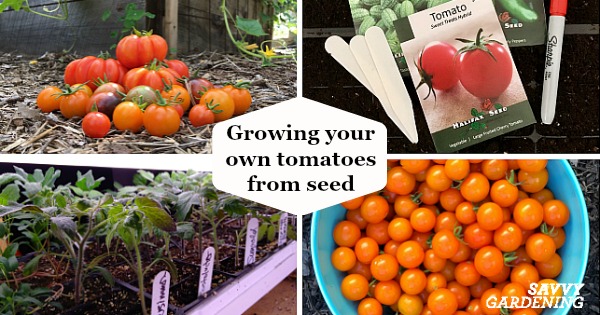
Seeds or Seedlings? Picking the Perfect Tomato for Your Garden
Embarking on the journey of growing your own delicious tomatoes is one of the most rewarding experiences for any home gardener. The anticipation of that first ripe, sun-warmed fruit plucked from your own vine is unparalleled. But before you can savor that moment, a crucial decision awaits: will you start your garden tomato planting adventure with tiny seeds or robust seedlings? This choice sets the stage for your entire growing season, impacting everything from the variety of tomatoes you can cultivate to the amount of time and effort required upfront. Understanding the pros and cons of each approach is key to setting up strong tomato plants and enjoying a bountiful harvest.
The Great Debate: Seeds vs. Seedlings for Your Garden Tomato Planting
The decision between starting with seeds or purchasing seedlings boils down to your gardening experience, available time, space, and desire for variety. Both paths lead to juicy tomatoes, but they offer distinct experiences.
Starting from Seed: The Avid Gardener's Path
Opting for seeds grants you an unparalleled level of control and variety. This method is often chosen by experienced gardeners or those eager to delve deeper into the art of cultivation.
- Unmatched Variety: The biggest draw of seeds is the sheer diversity. Seed catalogs offer hundreds, if not thousands, of tomato varieties – far more than you'd ever find pre-grown at a local garden center. This opens up opportunities to experiment with rare heirlooms, unique colors, specific flavors, and disease-resistant hybrids tailored to your climate and preferences.
- Cost-Effectiveness: A packet of seeds is significantly cheaper than a tray of seedlings. If you plan to grow many plants, seeds offer substantial savings.
- Sense of Accomplishment: There's a profound satisfaction in nurturing a plant from a tiny speck to a productive vine. It's a true testament to your gardening skills.
- Healthier Starts (Potentially): When you control the growing environment from day one, you can ensure optimal conditions, potentially leading to stronger, healthier plants without exposure to nursery-borne pests or diseases.
However, starting with seeds requires commitment. You'll need to begin sowing seeds indoors 6-8 weeks before your last anticipated frost date. This means providing a warm, bright environment, often with grow lights, and consistent care. Seedlings need consistent moisture, adequate air circulation to prevent damping-off disease, and careful monitoring for pests. Before transplanting outside, these tender young plants must be "hardened off" – gradually acclimated to outdoor conditions over about a week to prevent shock. This process involves slowly increasing their exposure to sun, wind, and cooler temperatures.
Opting for Seedlings: The Convenient Choice
For many home gardeners, especially beginners or those with limited time and indoor space, purchasing seedlings from a local nursery or garden center is the ideal solution.
- Time-Saving: Seedlings offer an instant head start. You bypass the critical early growth stages, indoor care, and the potential pitfalls of germination. This means you can plant directly when the weather is right, getting closer to harvest sooner.
- Bypasses Early Challenges: Issues like damping-off, inconsistent germination rates, or insufficient light are managed by the nursery. You receive a ready-to-plant specimen.
- Higher Success Rate for Beginners: Seedlings are more forgiving. They've already survived their most vulnerable stage, increasing the likelihood of successful garden tomato planting for novice gardeners.
- Immediate Gratification: You see a substantial plant in your garden from day one, which can be very encouraging.
The trade-off for convenience is usually a more limited selection of varieties compared to seeds. Also, seedlings can be more expensive, especially if you need many plants. When choosing seedlings, always inspect them carefully for signs of good health: look for sturdy, compact plants with deep green leaves and no yellowing, spots, or visible pests. Just like seed-started plants, purchased seedlings also benefit immensely from a hardening-off period to help them adjust to your garden's environment.
Beyond Seeds & Seedlings: Selecting the Right Tomato Variety
Once you've decided on your starting method, the next critical step for successful garden tomato planting is selecting the right variety. This choice will influence your maintenance routine, harvest schedule, and culinary enjoyment.
Understanding Growth Habits: Determinate vs. Indeterminate Tomatoes
Tomato plants fall into two main growth categories, each with distinct characteristics:
- Determinate Tomatoes: Often called "bush" tomatoes, these varieties grow to a predetermined height, flower, and then set most of their fruit all at once over a concentrated period (usually 2-3 weeks). They generally require less staking or caging and are ideal for container gardening, smaller spaces, or gardeners who wish to preserve large batches of tomatoes at once.
- Indeterminate Tomatoes: These are the sprawling, vining types that continue to grow, flower, and produce fruit throughout the entire growing season until frost. Many heirloom varieties fall into this category. They require substantial support from strong cages, stakes, or trellises, as they can grow very tall (6-10 feet or more). While they demand more maintenance, they offer a continuous supply of fresh tomatoes.
Consider your garden size, how much time you want to spend on support and pruning, and whether you prefer a concentrated harvest or a steady supply when making this choice.
Flavor, Size, and Purpose: Heirloom, Cherry, and Classic Red Tomatoes
Beyond growth habit, tomatoes come in a dazzling array of types suited for different culinary uses and personal preferences:
- Heirloom Tomatoes: These open-pollinated varieties are celebrated for their exceptional, often complex flavors and unique, sometimes "funky" appearances. While they can be a bit more challenging to grow than modern hybrids (sometimes more susceptible to disease), the unparalleled taste is usually well worth the effort. They come in various colors, shapes, and sizes.
- Cherry Tomatoes: Small, sweet, and bursting with flavor, cherry tomatoes are perfect for snacking, salads, or skewers. They are typically prolific producers and often quite easy to grow, making them a great choice for beginners or those with limited space (as many are suitable for containers).
- Classic Red Tomatoes: This broad category includes the traditional slicing and paste tomatoes that form the backbone of many recipes. From early-ripening varieties to late-season workhorses, red tomatoes offer versatility for sandwiches, sauces, and canning. They are usually reliable producers and come in both determinate and indeterminate forms.
Essential Foundations for Thriving Garden Tomato Plants
Regardless of whether you choose seeds or seedlings, the success of your garden tomato planting hinges on providing the right environment. Healthy soil and an ideal location are non-negotiable for robust plants and a generous harvest.
Site Selection & Soil Preparation: The Unsung Heroes
Tomatoes are sun-worshippers. They thrive in locations that receive at least 6-8 hours of direct sunlight daily. Without ample sun, fruit production will be significantly hampered. Beyond light, the quality of your soil is paramount. Tomatoes love well-drained, nutrient-rich soil. Soggy roots are a recipe for disaster, leading to root rot and other fungal diseases.
Before planting, enrich your soil with plenty of organic matter, such as compost or well-rotted manure. This improves soil structure, drainage, and nutrient retention, giving your tomato plants a strong foundation. Good airflow around your plants is also beneficial, helping to reduce humidity and prevent fungal problems. Be mindful of planting tomatoes near potatoes, as they can share common diseases. For a deeper dive into preparing the perfect home for your tomatoes, explore our guide on
Unlock Juicy Tomatoes: Site Selection & Soil Prep Essentials.
Planting Deep & Providing Support
When it's time to put your tomatoes in the ground, remember a crucial tip: plant them deeply. Tomatoes are unique in that they can grow roots along their buried stems. By removing the lower leaves and burying a good portion of the stem (leaving only the top few sets of leaves exposed), you encourage a stronger, more extensive root system, which leads to a more stable and productive plant.
Most tomato varieties, especially indeterminate types, will require some form of support. This could be sturdy stakes, wire cages, or trellises. Providing support not only keeps the heavy fruit off the ground (preventing rot and pest damage) but also improves air circulation and makes harvesting easier. Decide on your support system before the plants get too large to avoid damaging their roots or stems during installation. For comprehensive guidance on nurturing your plants from transplanting to harvest, refer to
Master Garden Tomato Planting: Your Guide to a Bountiful Harvest.
Conclusion
Choosing between seeds and seedlings for your garden tomato planting is a personal decision that impacts your entire growing season. Whether you opt for the boundless variety and cost-effectiveness of seeds or the convenience and head start of seedlings, understanding the initial commitment is crucial. Combine this choice with careful variety selection—considering growth habits, flavor, and purpose—and lay a solid foundation with optimal site selection and soil preparation. With informed choices and consistent care, you'll be well on your way to enjoying the unparalleled taste of homegrown tomatoes straight from your garden. Happy planting!